The tailor's order book: what to record for every order
By Loomton · Updated
Most disputes in a tailoring shop come from something that was said at the counter and never written down: the delivery date, the advance, the style of the collar. A complete order record prevents them. Here is what it should hold.
The customer
- Name and mobile number, so you can call when the garment is ready.
- Whether they are a regular, and what they usually order.
The garments
- Each garment on its own line: shirt, pant, kurta, blouse, with the quantity.
- The measurements used for this order, even if they are the same as last time.
- Style notes: collar type, pockets, pleats, lining, buttons.
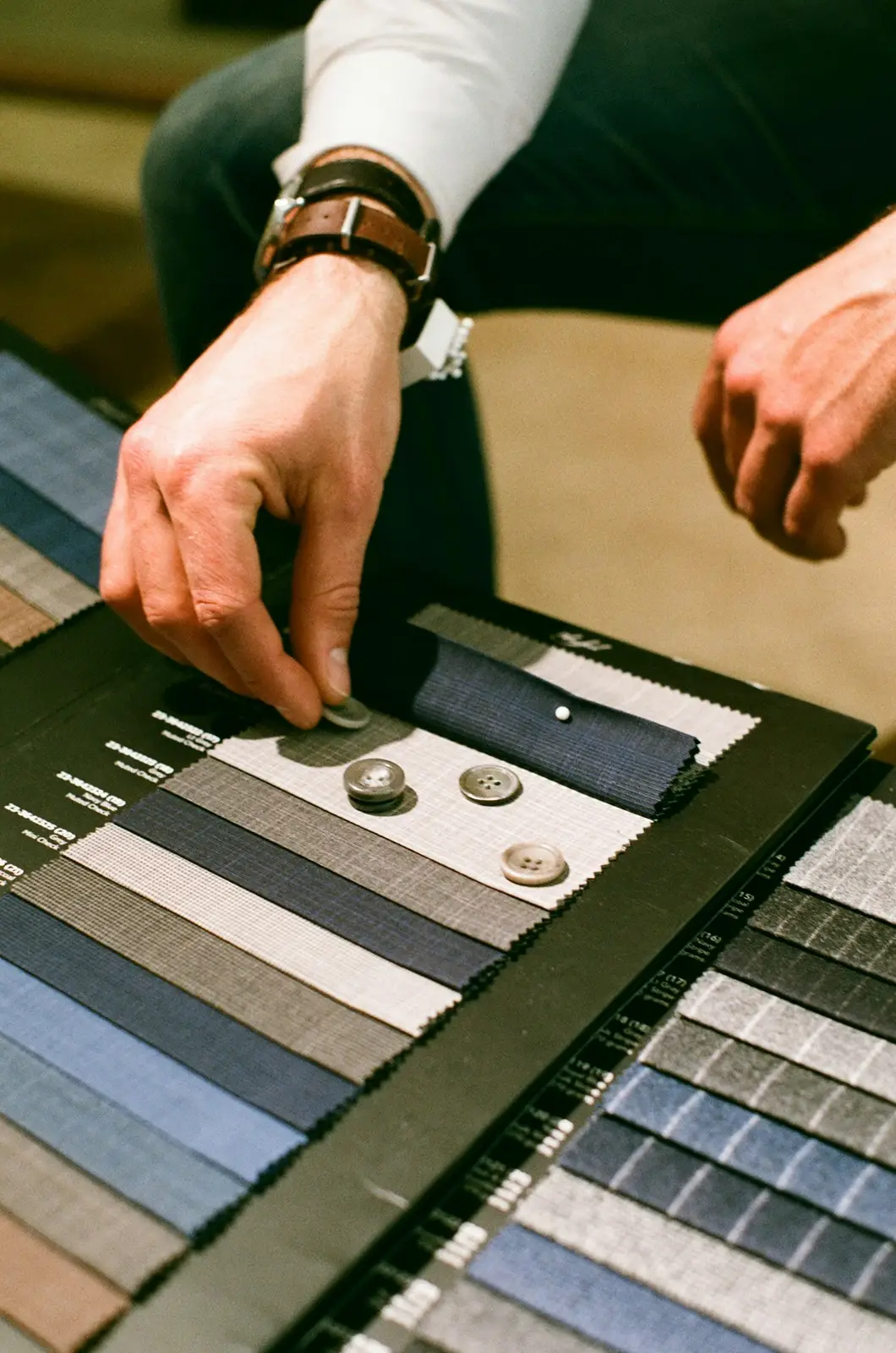
- The cloth: brought by the customer or sold by you. A small photo or a swatch stapled to the slip avoids mix-ups.
The dates
- The date the order was taken.
- The trial date, if there is one.
- The delivery date you promised.
The money
- The price of each garment and any discount.
- Tax, if your shop charges it.
- The advance paid and how it was paid.
- The balance due on delivery.
One number that ties it together
Give every order a number and write it on the customer's receipt, on the slip pinned to the cloth, and in your book. When a customer calls, the number finds the order in seconds.